The Rug Analogy That Exposes Biased Jurors
by Grant Gillenwater
Your client’s story is not their medical bills, procedures, or daily pain levels. Their story is about being in pain when they wake up in the morning and try to get to the bathroom. A jury can’t see that from a chronology of medical treatment.
As advocates for our clients, our duty is to help the jury understand that for our client the pain doesn’t get better or go away; it recurs over and over for the rest of their life.
In the last 24 months, 35 of my jury verdicts topped $1 million. Those wins weren't just a product of strong cases; they came from how each client's story was told to the jury.
Every phase of trial either builds toward making the jury see what was taken from your client or undermines it. Here’s how I approach each one.
The Remedy in Voir Dire
As plaintiff attorneys, we have to believe in the remedy for our clients: money is the physical manifestation of justice. In turn, we have to determine if potential jurors believe in the remedy as well.
In voir dire, the question is whether this jury is able to see what was taken. A juror who thinks money is the wrong remedy, or who believes in discount justice, will never see it, so your job is to find them early.
If you're upfront with jurors that money is the remedy in the civil justice system, you'll get candid answers, and those answers can give you grounds to strike for cause. Be truthful with them, and they’ll be truthful in return.
The rug analogy is a quick and simple way to identify biased jurors:
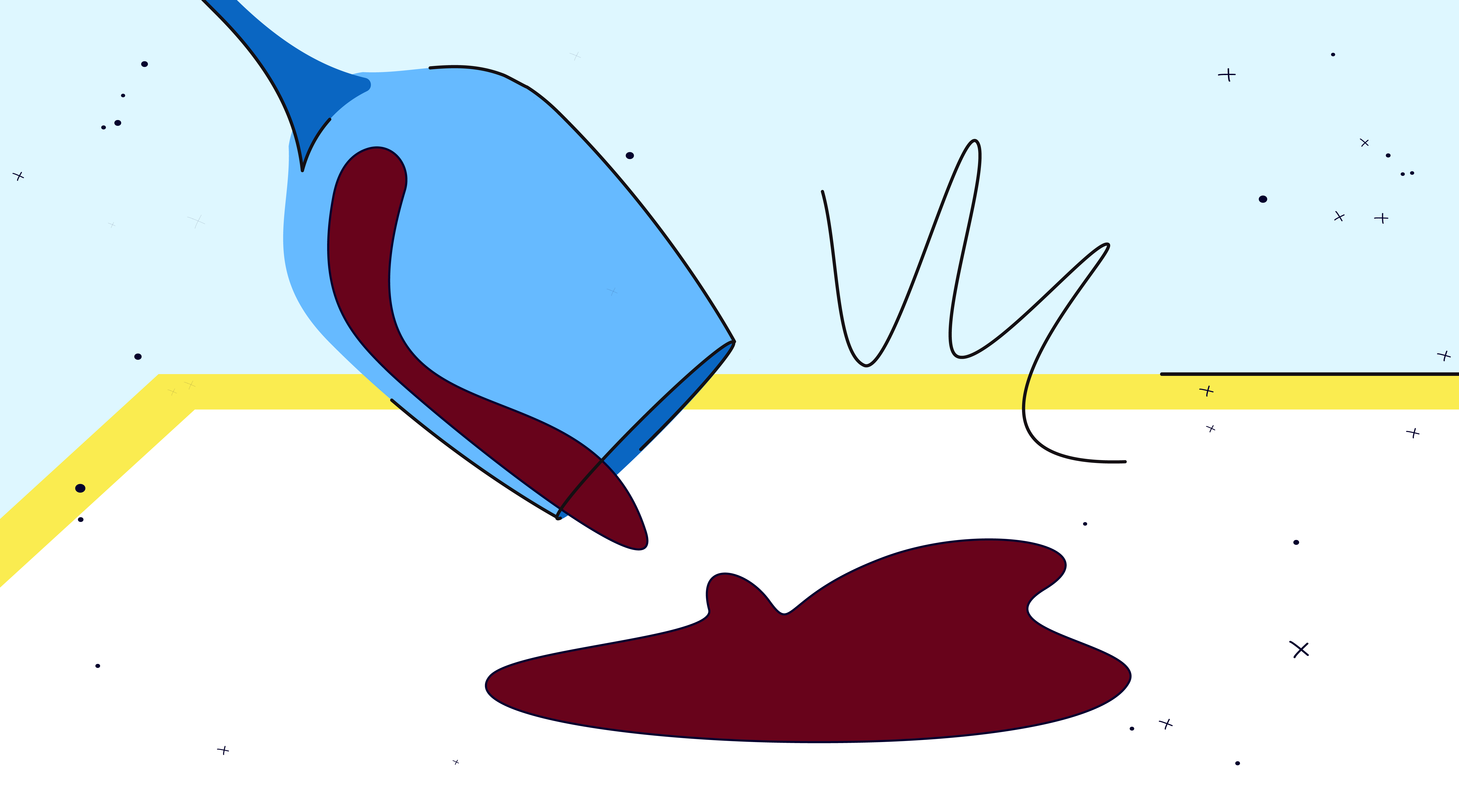
Imagine someone is hosting a dinner party, and a distracted guest at that dinner party has a glass of red wine and spills it on the nice white rug in the living room. The guest immediately says to the host, “This is entirely my fault. I spilled the red wine and ruined the rug. I wasn't paying attention. I will replace the rug if you tell me where it's from.” The host says it was a $10,000 rug from Neiman Marcus. A few days later, the guest is on their way to Neiman Marcus to buy the replacement rug, but they swing by HomeGoods where they find a rug that is a “good enough” copycat of the original rug for $150. They buy it and bring it to the host as a replacement for the original $10,000 rug.
Ask the jury how many people think the copycat rug is a good enough replacement? Who believes the host deserves a full and fair replacement of the rug that was ruined by their careless guest? The $10,000 rug is the full value of your client’s future medical care and pain and suffering; the $150 rug is the defense’s number.
You can use this analogy in voir dire and again in closing to argue for current and future medical bills and non-economic damages. Remind the jury that courtrooms are not built for discount justice. A copycat isn’t enough, and neither is 50% or 99%. You’re seeking nothing more and nothing less than the full and fair replacement of what the defendant took.
Own the Narrative: Open with "Bad Facts"
In opening, your job is to clear the path for your client’s story. Focus on the facts during opening statements, and in particular, get ahead of your “bad” facts. Those will come out either way, but you can control how the jury hears about them for the first time.
Bad facts are the biggest obstacle, because a jury distracted by your client's priors isn't looking at their losses. Frame those facts in a way that benefits your client’s case. For instance, if there are prior medical conditions, reframe them as context that helps the jury see the injury's impact. They have access to prior medical records that give insight into your client’s life before the injury, and can compare your client's life before and after the injury.
Don't play catch-up if the defense raises your client's priors first; they'll control that narrative.
Turn Medical Records Into a Story
The most seasoned attorney on your trial team should be handling the direct examination of your client because it is the prime opportunity to tell your client’s story and build an emotional connection for the jury. Direct is where the jury learns what was taken from your client. They won't see it in the chronology of treatment; they'll see it in the difference between your client's life before and after. Every question should help them see that difference. During direct, go through the medical records, but ask your client:
- How were you feeling then?
- How was your life changing?
- How was your day different during this stretch of treatment?
It is critical to demonstrate the bond you have with your client to the jury throughout direct examination. Establish the chronology of medical treatments during opening statements and use direct to go deeper.
Protect Your Credibility on Cross
Cross is where you can lose the jury's trust, and without their trust, they won't accept your client’s story. On three occasions, in New York, South Carolina, and California, jurors have told me they dislike aggressive cross-examination. Jurors who see aggression stop listening to you. Jurors don’t know you’ve crossed this expert before and know exactly where the weak spots are. To them, it just looks like a personal attack.
Don’t lead with your harshest attack. Most attorneys will start cross-examination by asking a defense expert about their financial bias. They’ll ask the expert about how many times they’ve been hired by the defense and how much they’ve been paid.
Jurors don’t understand this aggressive line of questioning, and they get turned off. Wait for the expert to try and make their points, then counter them by challenging their credibility and calling attention to their bias. Don’t waste all your ammunition at the start of cross; use it systematically throughout.
$100 Million Verdict Case Study
I used this approach in a 2025 negligent-security wrongful-death case that resulted in a $100 million verdict. I said to the jury, “As a member of the human family, I believe this case is worth $200 million, but as a lawyer I believe it’s worth $80 million. Somewhere between $80 and $200 million lies justice. I don’t know where that is. It is your duty to decide where justice falls.” The jury did not hand down a copycat or discount version of justice; they returned a $100 million verdict in 45 minutes.


 copy
MORE ARTICLES
 Read Article
6 min
It’s Q4: Planning for the New Year
Blair Warner
 Read Article
5 min
Positioning Punitive Damages for a $26.2M Win
Rene Rocha
 Read Article
4 min
Blazing a Winning Strategy for Your Fire Injury Case
Benjamin Wilson